Marine Life
Dugong
Dugong dugon
The dugong, also known as the sea cow, is one of the world’s best animals to encounter in the wild — and Marsa Alam is one of the best places on Earth to try. A rare, gentle marine mammal that grazes the shallow seagrass meadows of the Red Sea coast.
Quick Facts
Dugong
Scientific Name
Dugong dugon
Family
Dugongidae
Order
Sirenia
Diet
Seagrass — strictly herbivorous
Habitat
Shallow coastal seagrass habitats
Conservation Status
Vulnerable (IUCN Red List)
CMS Status
CMS Appendix II
Maximum Size
Up to approximately 3 m / 500 kg
Lifespan
Can live for 70 years or more
What is a Dugong?
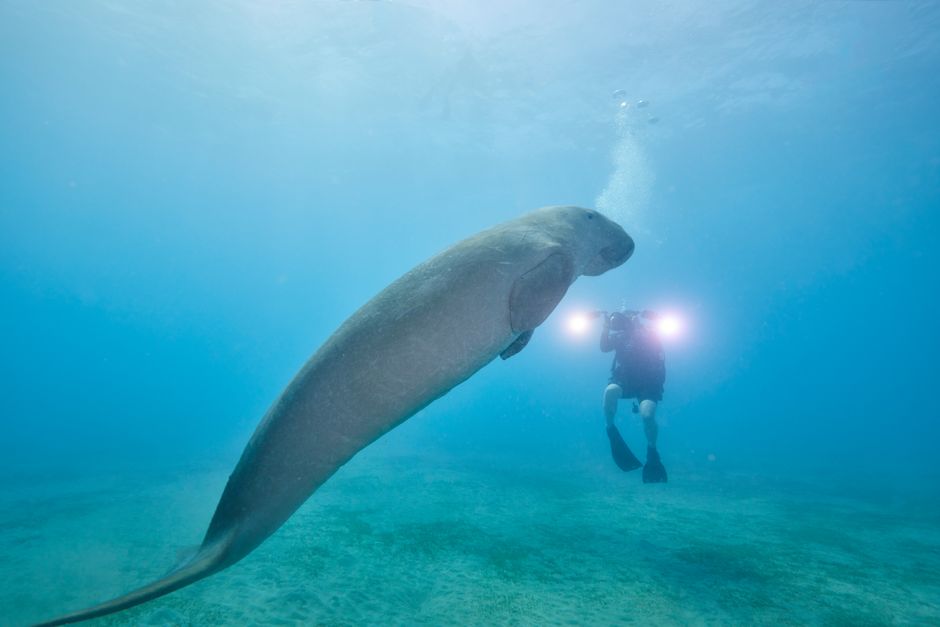
The dugong (Dugong dugon) is a large, slow-moving marine mammal and the only living member of the family Dugongidae. It is the only marine mammal that is strictly herbivorous, feeding almost exclusively on seagrass. Dugongs are bottom feeders: they use their mouth and snout to uproot and consume seagrass, leaving characteristic furrows and feeding trails across the seabed. Their body is large and streamlined, grey to brownish in colour, with a distinctive fluked tail — a shape that, combined with their slow grazing, gave rise to the historical “sea cow” name and centuries of mermaid folklore. Dugongs and manatees are both sirenians, but the dugong is the only living member of its family; manatees belong to a separate family (Trichechidae). Dugongs depend entirely on shallow coastal waters where seagrass can grow, and they are rarely found on offshore coral walls or deep reef sites. A single calf is normally born after a gestation of approximately 13–14 months, and the interval between births is approximately 2.5–7 years. Dugongs can hold their breath for dives lasting up to approximately 8 minutes.
Where in the World?
Dugong dugon occurs across tropical and subtropical coastal waters from East Africa through the Indian Ocean and the Indo-Pacific to the western Pacific. Its range depends on the availability of shallow seagrass habitats. Major populations exist in Australian waters, the Red Sea, the Persian Gulf, and parts of the Indo-Pacific. The species is patchily distributed and locally vulnerable to extinction across much of its range.
Dugongs in Marsa Alam
Marsa Alam is one of the world’s best places to encounter wild dugongs. The shallow, sheltered seagrass bays along this stretch of Red Sea coast are exactly the habitat dugongs depend on, and the region has a well-documented association with the species. A photo-identification study published in 2019 recorded 30 dugongs along the southern Egyptian Red Sea coast between December 2015 and October 2017 — 16 individuals in the Marsa Alam area and 14 at Wadi El Gemal National Park. The study documented individual animals and movements between sites. Another 2019 study documented dugong feeding trails at Marsa Hermez, around 30 km north of Marsa Alam, including evidence consistent with a female and calf, confirming that the wider Marsa Alam region contains suitable dugong habitat. These are historical research records, not a current population count. A sighting is never guaranteed — dugongs are wild animals, and their presence depends on movement, feeding and local conditions — but few destinations in the world offer divers a stronger opportunity to try.
Where to Dive with Dugongs in Marsa Alam
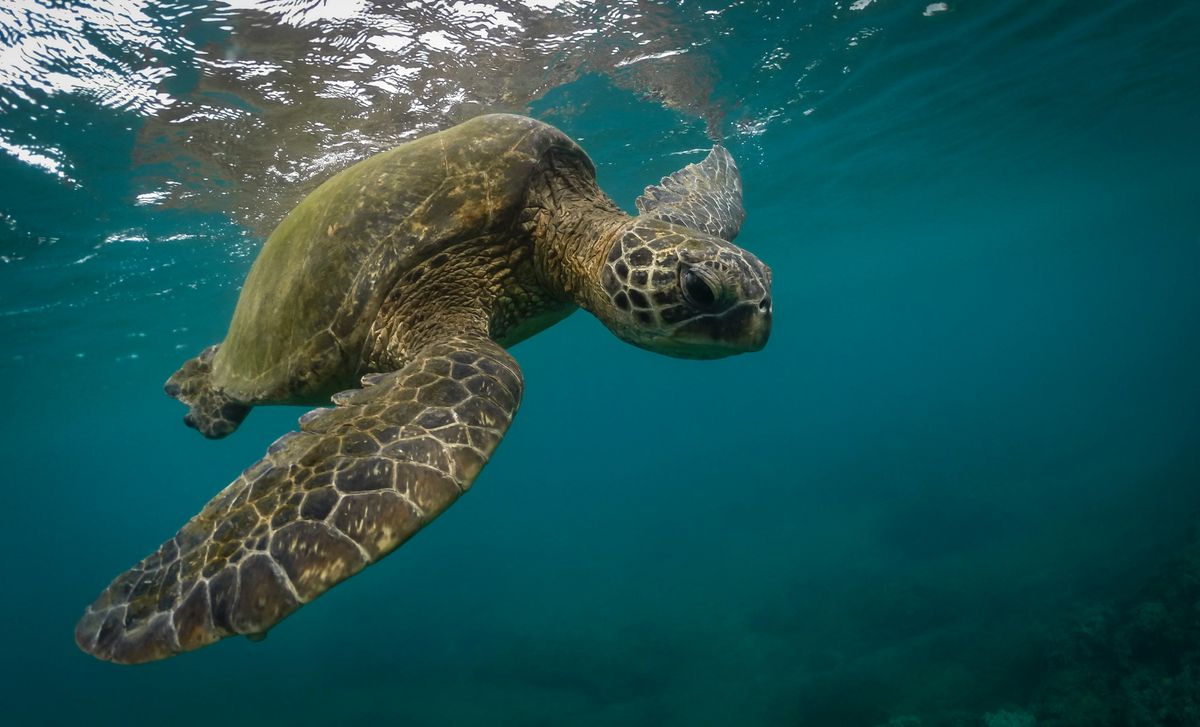
Abu Dabbab
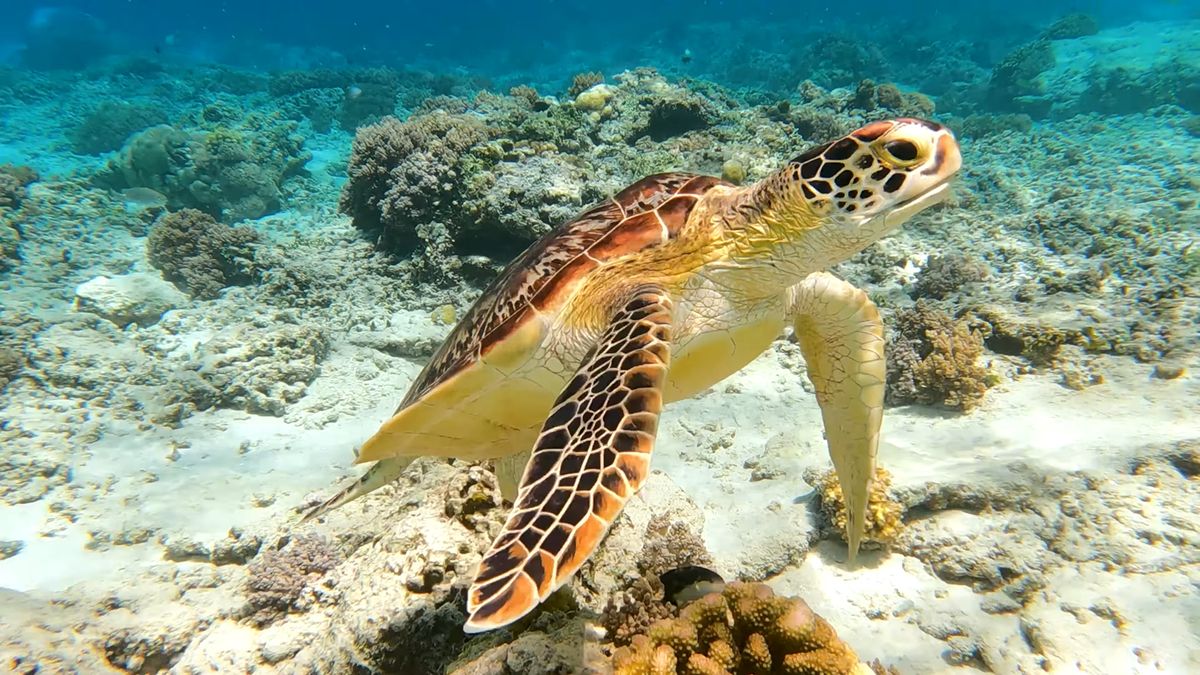
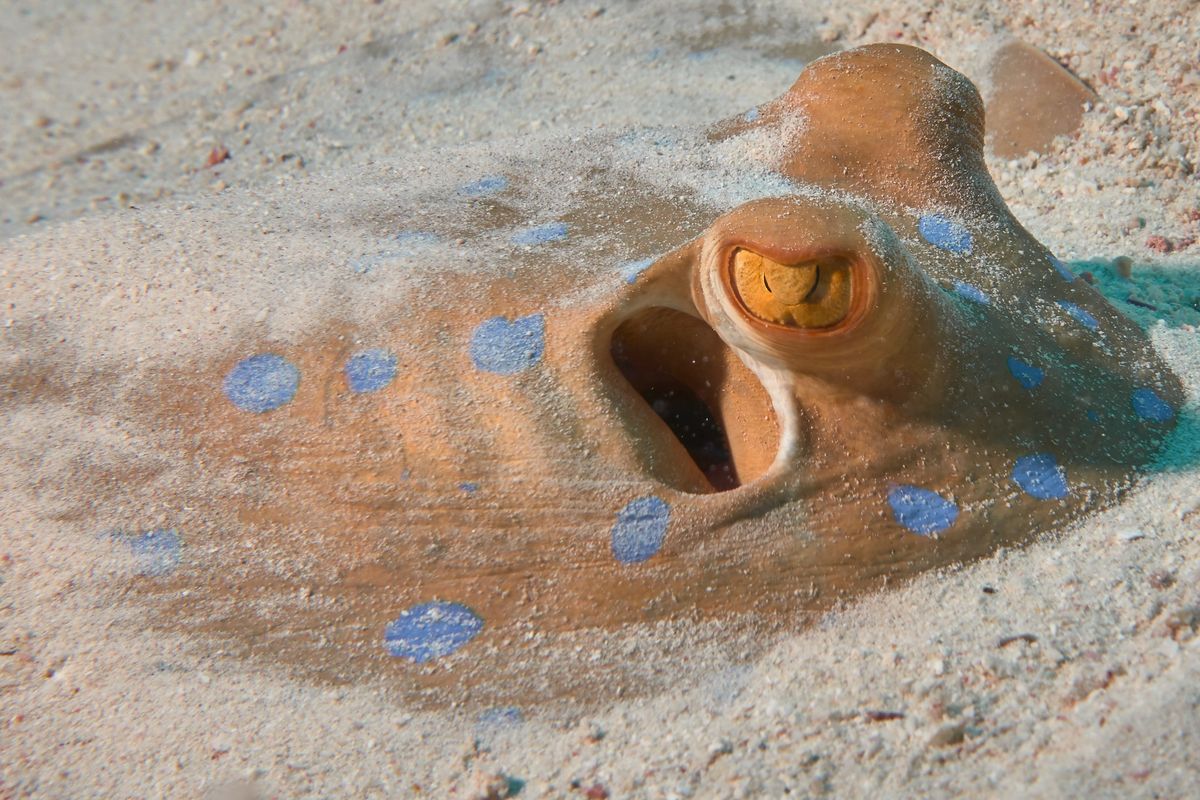
An easy, shallow and accessible shore dive with exceptionally rich marine life — turtles, rays, reef fish, cephalopods and the chance of a dugong encounter.
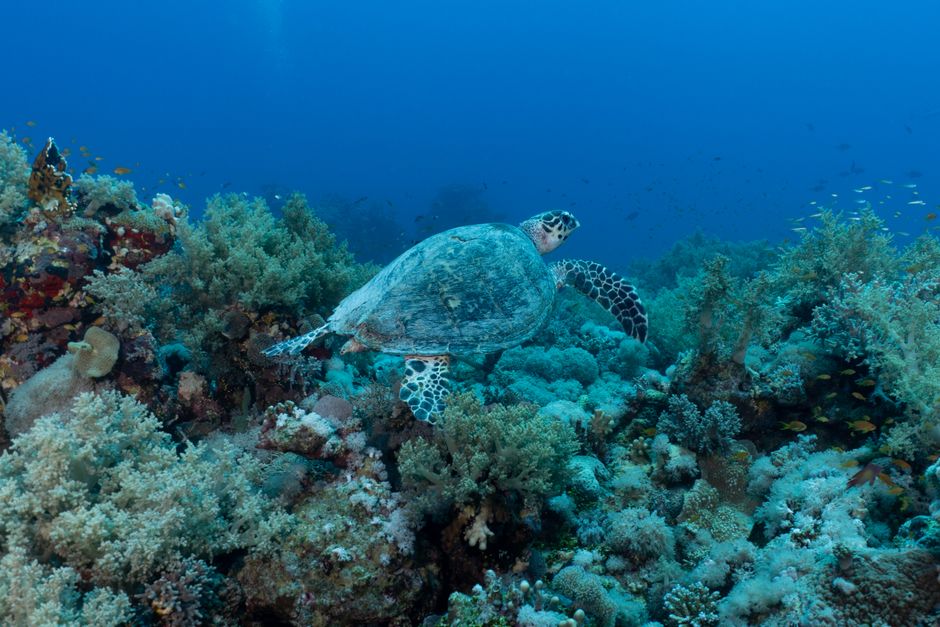
Marsa Mubarak
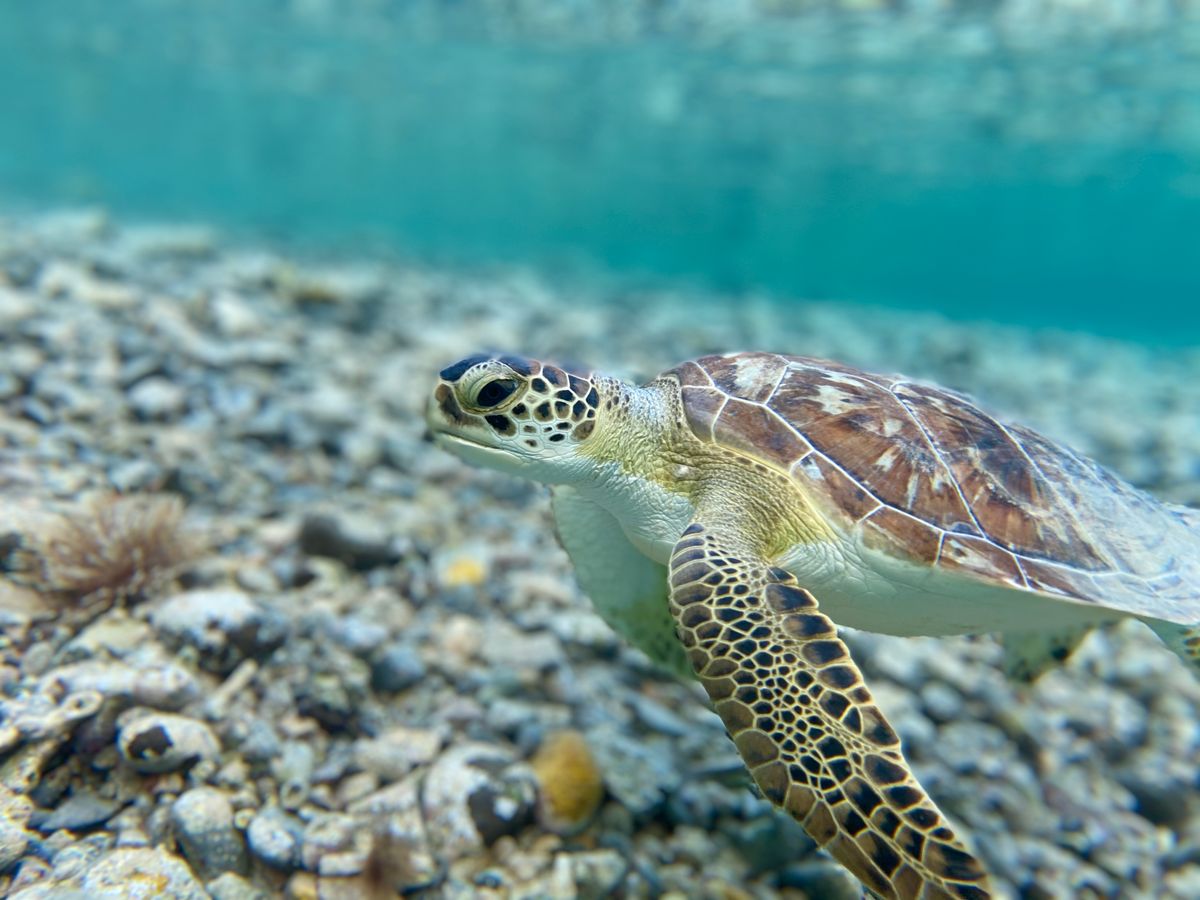
A sheltered bay with extensive seagrass meadows, famous for green turtles, possible dugong encounters and rich marine life for all levels.
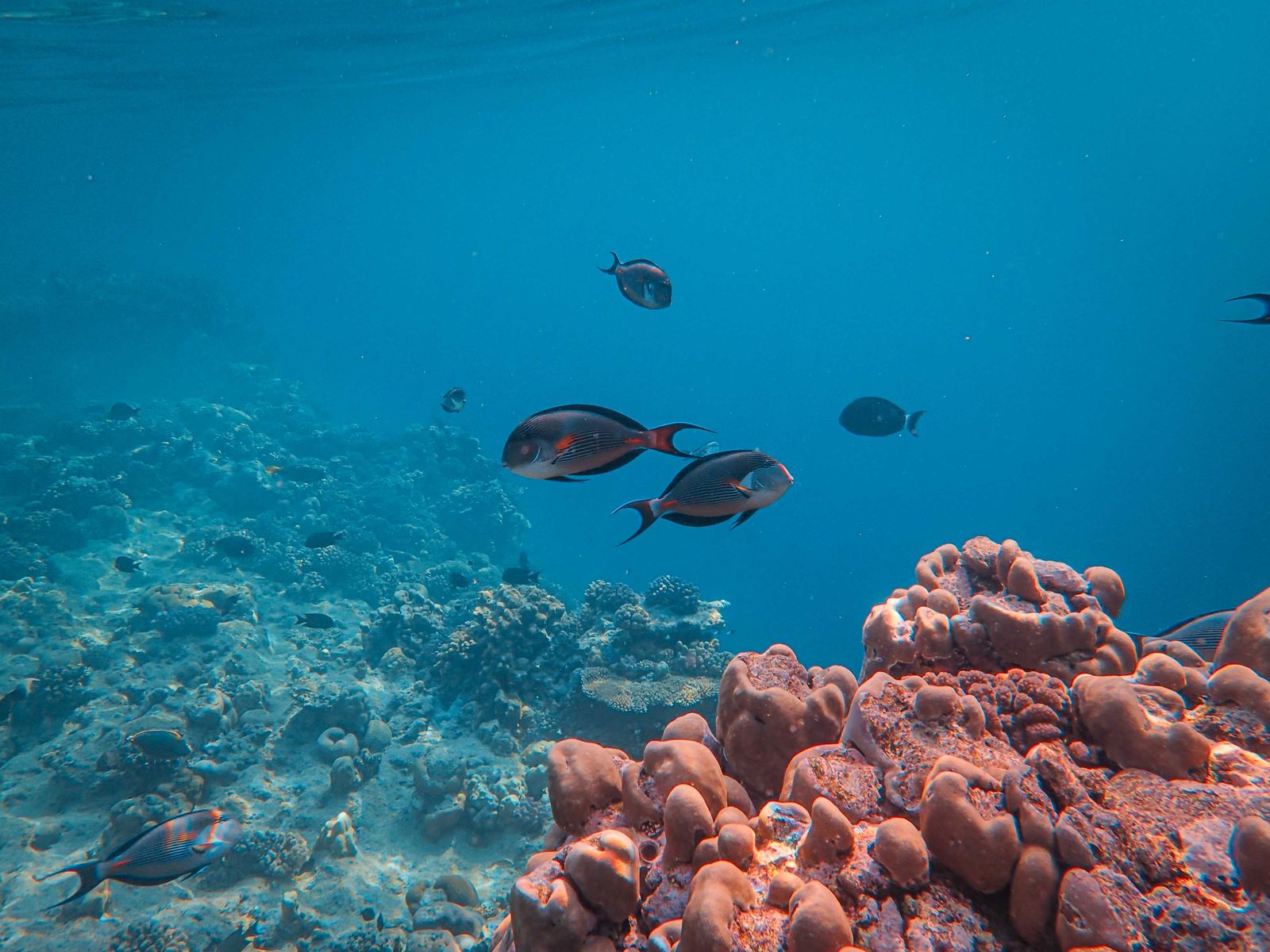
Marsa Egla
A sheltered shore-diving bay north of Marsa Alam, with two fringing reefs separated by a central seagrass meadow. Easy beach access, coral formations and varied marine life offer diving and snorkelling for different experience levels.
Underwater Behaviour
Dugongs are slow, deliberate grazers. They move across seagrass meadows, uprooting and consuming seagrass with the mouth and snout, leaving characteristic furrows or feeding trails in the seabed. They surface periodically to breathe before returning to the meadow. Dugongs move between feeding, resting and travel areas depending on conditions, and they can be shy — they may leave an area when disturbed. Their behaviour is shaped by the need to graze efficiently while surfacing to breathe, which is why they are so strongly associated with shallow seagrass habitats.
How to Spot a Dugong
The first clue is often movement over a seagrass meadow — not coral. Scan the seagrass rather than only looking at the reef. Look for disturbed sand, feeding trails on the seabed, or a large grey-brown body moving slowly near the bottom. The characteristic fluked tail is a clear identifier once you see it. Be patient: dugongs can be difficult to spot at first, blending into the seagrass and sand. Note that feeding trails do not mean a dugong is currently nearby — they are traces of past grazing activity.
Did You Know?
- 1
The dugong is the only living member of the family Dugongidae — its closest relatives, Steller’s sea cow and other dugongids, are extinct.
- 2
It is the only marine mammal that is strictly herbivorous, feeding almost exclusively on seagrass.
- 3
Dugongs can live for 70 years or more, with a recorded maximum age of 73 years.
- 4
Their feeding trails — furrows left in the seagrass meadow — are visible traces of grazing activity and can remain on the seabed after the animal has moved on.
- 5
Dugongs reproduce slowly: gestation is approximately 13–14 months, females generally give birth to a single calf, and the interval between births is approximately 2.5–7 years. This long reproductive cycle contributes to the species’ vulnerability.
Photographing Dugongs
Wide-angle is the natural choice for photographing dugongs. Approach slowly and never chase the animal. Do not block its path or approach head-on. Maintain neutral buoyancy and keep clear of the seagrass — damaging the habitat harms the animal. Let the dugong choose the encounter distance. If the dugong moves away, stop following. Respect the animal’s behaviour over getting the photograph. Do not use flash as a default; the priority is a calm, undisturbed encounter.
When to See Dugongs in Marsa Alam
Marsa Alam offers opportunities to encounter dugongs year-round. There is no single established peak season — available sources are not consistent, with some diving sources favouring October to April while older Egyptian research found more reported sightings during summer. Rather than waiting for a specific month, the best approach is to dive the shallow seagrass bays whenever conditions are calm and visibility is good. Time spent searching seagrass habitats patiently is what makes encounters more likely. Sightings vary naturally with the animals’ movements, feeding activity, sea conditions and visibility — a dugong is a wild animal, and no encounter can be guaranteed, but Marsa Alam remains a genuinely strong year-round destination to try.
Respect the Encounter
You are not hunting a dugong — you are visiting its feeding habitat. Dugongs are usually associated with shallow seagrass meadows, and the best approach is to remain calm, quiet and observant. Never touch, chase, surround or block a dugong. Do not swim towards the animal. Do not block its path or its route to the surface — it must be able to breathe without obstruction. Do not interrupt its feeding. If a dugong approaches the diver, remain calm and allow the animal to decide the distance. The diver must never manufacture a close encounter by swimming towards the animal. If the dugong changes direction or moves away, stop following immediately. Maintain neutral buoyancy at all times and do not damage the seagrass meadows, which are the habitat that sustains the dugong. A guideline of approximately 3 metres is recommended as responsible wildlife-viewing guidance, not as a legal minimum. Let the animal determine the encounter distance.
Conservation
The dugong is classified as Vulnerable on the IUCN Red List and is listed on CMS Appendix II. Its survival depends on the health of seagrass habitats, which are themselves under pressure from coastal development, pollution and human disturbance. The species faces several threats: loss and degradation of seagrass habitat, fishing-net entanglement and bycatch, boat and vessel disturbance, coastal development, pollution and human disturbance. Dugongs reproduce slowly — gestation is approximately 13–14 months, females generally give birth to a single calf, and the interval between births is approximately 2.5–7 years — which means populations recover very slowly from losses. A regional estimate for the Egyptian Red Sea suggested approximately 73–97 animals, based on photo-identification and questionnaire data rather than a current direct census. This is why responsible diving matters: every encounter that respects the animal and its habitat contributes to the species’ long-term survival. Damaging seagrass, chasing a dugong or disturbing its feeding can have real consequences for an animal already under pressure.
Dugongs & Underwater Encounters
You do not go and see a show. You enter the dugong’s habitat and, sometimes, it allows you to share the space for a few minutes. A dugong moves through the seagrass with a quietness that is hard to describe — slow, heavy, unhurried. It is not performing for anyone. It is grazing because that is what it does, and has done, for decades. The encounter is rare, wild and humbling. When it ends, the dugong simply moves on, and you are left with the silence of the seagrass meadow and the knowledge that you were briefly a guest in another animal’s world.
Wildlife encounters can never be guaranteed. These are wild animals in their natural habitat.